
If you have ever performed actually any sport with fight in the previous few years, chances are high you already know what a parry is. It’s that little window the place as an alternative of working or blocking like a complete coward, you hit the precise proper button on the actual proper time and out of the blue the battle flips in your favor. It feels superb whenever you land it, and… completely brutal when you do not.
But this hasn’t at all times been the case. I just lately realized one thing very apparent: parrying wasn’t at all times all over the place in gaming. Somewhere alongside the best way, builders checked out fight and determined, “What if as an alternative of simply blocking, you might punish somebody for attacking you?” That concept has taken all types of kinds, from old-school combating video games to among the largest RPGs round.
Finding the primary individual to place it in a sport is trickier. Does a well-timed sword block depend? Does it must stagger the attacker? What about batting away a projectile?
Depending on the place you draw these traces, you get a unique household tree. The attention-grabbing half is how these branches grew.
So Where Does the Word Parry Even Come From?
The phrase “parry” wasn’t at all times a gaming phrase. It’s borrowed from fencing, with roots within the French parer, which means “to beat back.” This is sensible as soon as you concentrate on it. Fencing is actually two individuals making an attempt to land a success on one another whereas additionally making an attempt to not get hit themselves, and that is, effectively, a reasonably good pitch for a online game.
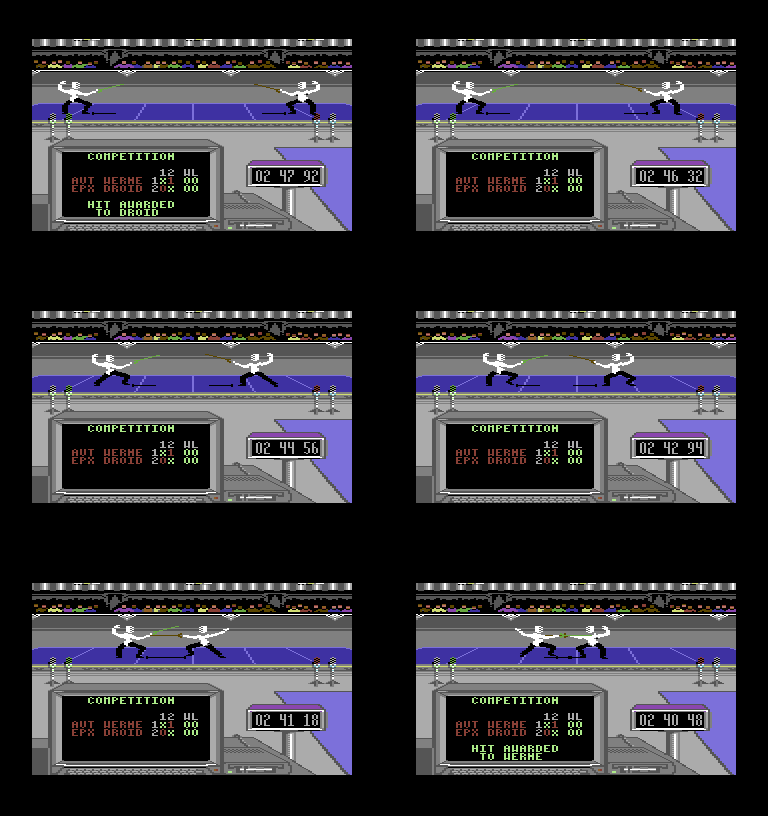
One early instance is a straight-up fencing sports activities sport. Epyx’s Summer Games II (1985) had a foil occasion wherein you positioned your blade and swept apart an incoming assault. A profitable block briefly immobilized the opponent’s foil, supplying you with a gap to strike. Its handbook explicitly discusses parrying, too. The terminology and the concept had been already there, even when the controls and rhythm weren’t what a Sekiro participant would count on.
Then there’s The Mysterious Murasame Castle, launched for Japan’s Famicom Disk System in 1986. Takamaru might use his katana to deflect incoming projectiles. That’s one other department of the concept: timing an assault to guard your self, with out essentially placing the enemy right into a particular stagger state.
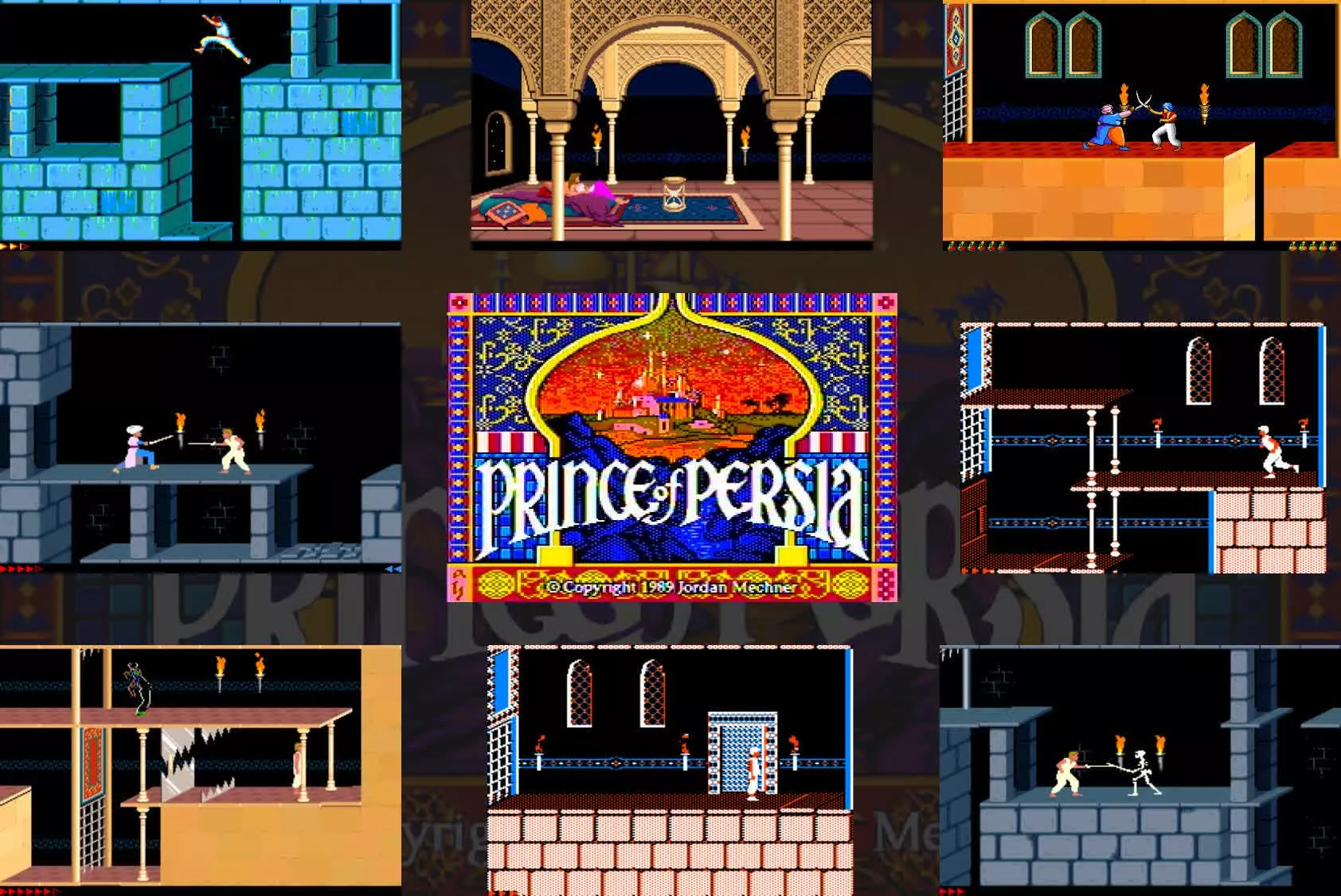
Prince of Persia adopted in 1989 with sword fights constructed round advancing, retreating, placing, and parrying. You needed to learn an opponent’s swing and time your protection, then select when to strike again. It wasn’t ready for a later sport to make it a “actual” parry. It was an earlier, much less elaborate model of a well-recognized change.
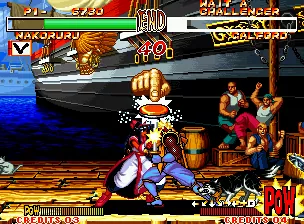
By the mid-Nineties, combating video games had been making weapon protection a part of a extra elaborate thoughts sport. Samurai Shodown II (1994), for instance, included a command for catching an opponent’s sword whereas disarmed. It’s an necessary cease on this tour, however that is not the identical factor because the common tap-forward parry Street Fighter III would later popularize. Calling one sport the undisputed inventor means ignoring older examples – or defining them out of competition.
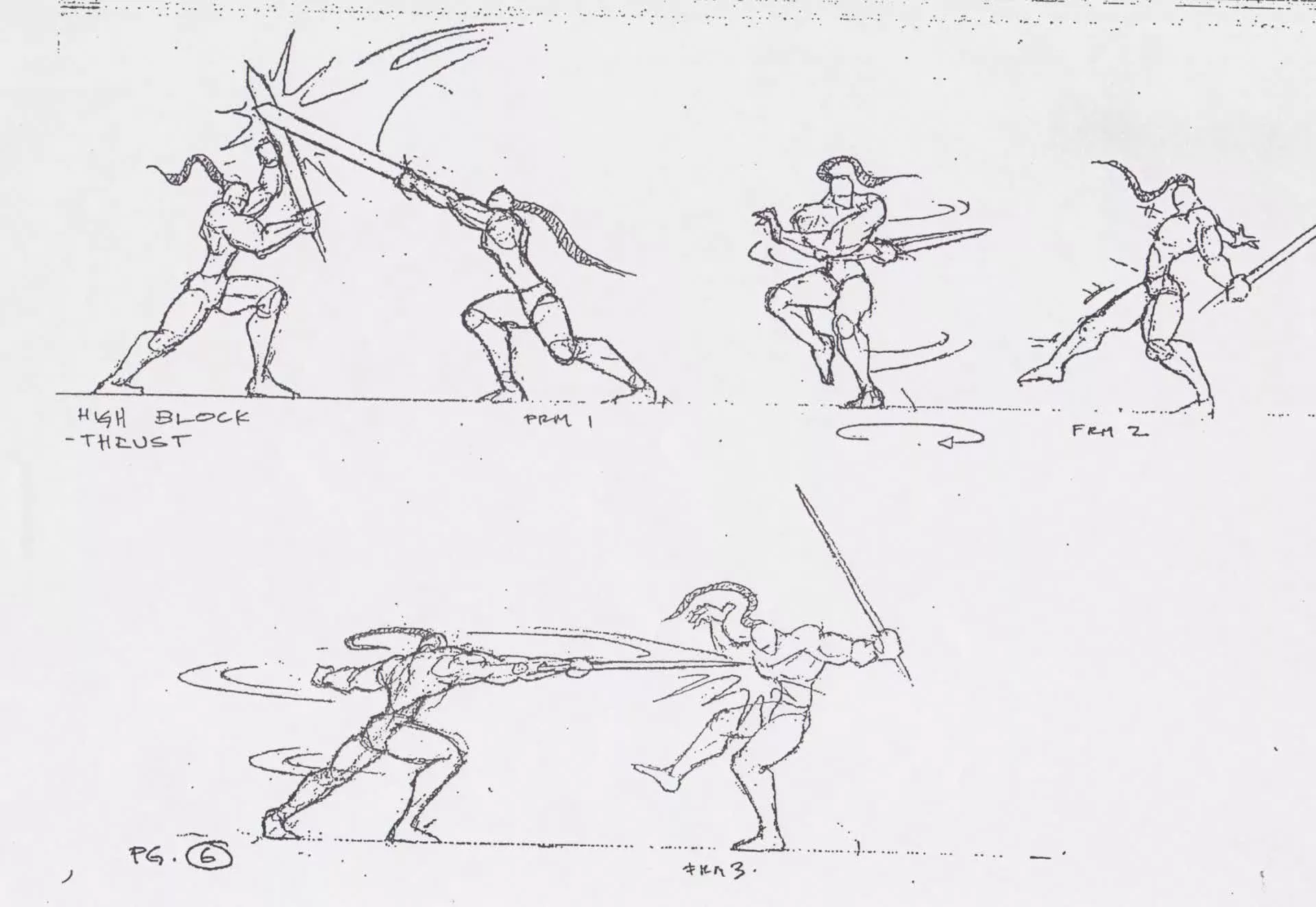
Weaponlord (1995) deserves greater than a passing point out right here. Developed by Visual Concepts and printed by Namco, it had “thrust blocks” that turned protection into a gap. Namco’s Soul Edge, the mid-Nineties predecessor to Soulcalibur, additionally made timed protection central by Guard Impact. This wasn’t merely two unrelated groups arriving on the identical concept.
In a retrospective interview, Weaponlord co-designer James Goddard stated his crew confirmed Namco its weapon and parry techniques and that the writer tailored concepts from their work. That’s a developer’s account of affect, relatively than proof that each element of Guard Impact got here straight from Weaponlord. But it makes the historic connection rather more attention-grabbing than a coincidence.
When Fighting Games Made the Parry Famous
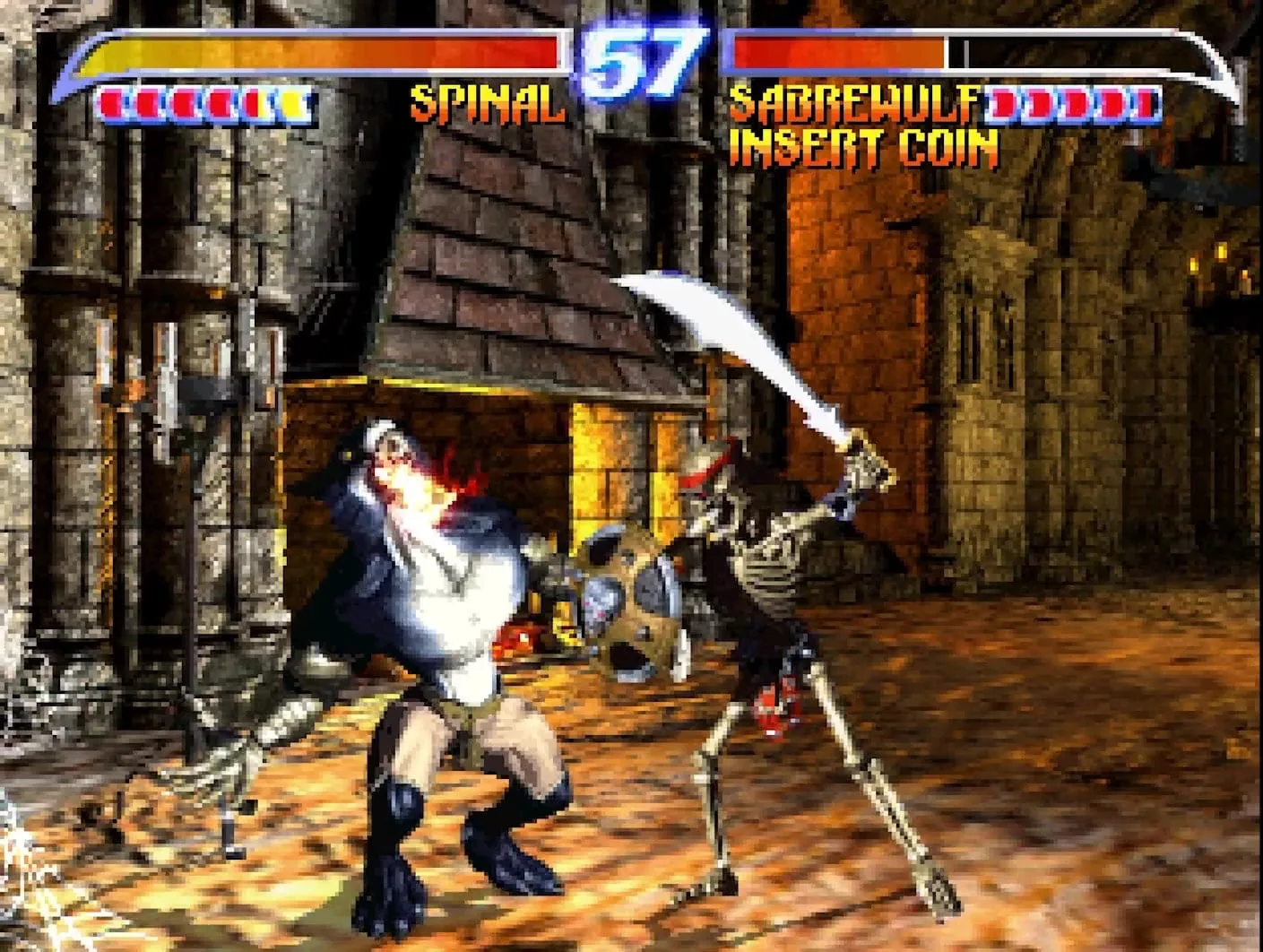
Killer Instinct 2 (1996) introduced its personal model, full with critical stakes. Parry a standing regular assault and you might comply with with a particular transfer that dizzied the opponent, opening the door for an enormous combo. The parry arrange that punishment; it did not robotically ship the dizzy all by itself.
But when you ask players which collection made parrying well-known, lots will say Street Fighter. The collection launched it in Street Fighter III: New Generation in 1997. Players tapped towards the opponent for a excessive parry or down for a low one, simply as an assault related. Unlike blocking, a profitable parry prevented chip injury and allow you to flip the change round with out spending a defensive meter.
Street Fighter III: third Strike (1999) added one other wrinkle: Guard Parry, generally referred to as a Red Parry. This allow you to swap from blocking into parrying throughout an assault sequence, with particularly demanding timing. It’s a selected variation, relatively than the title for each Street Fighter III parry.
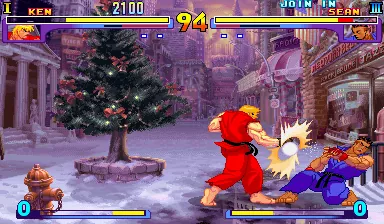
Then got here Evo Moment #37 in 2004, aka one of many best comeback moments in aggressive gaming. Playing Ken towards Justin Wong’s Chun-Li, Daigo Umehara had so little well being left that merely blocking her tremendous would have completed him. Instead, he parried all 15 hits and countered to win the spherical. You do not want a spreadsheet of body knowledge to grasp why the room misplaced its thoughts.
Tekken was growing its personal variations alongside all this. Tekken 3 (1997) gave choose characters, together with Ling Xiaoyu, low-parry choices. Tekken Tag Tournament’s 1999 arcade launch made the low parry common: each character might time a down-forward enter to redirect inclined low assaults.
The combo mechanics want just a little untangling. Tekken 6 launched Bound, a bounce that prolonged combos. Its Bloodline Rebellion replace made profitable low parries put opponents into that state, utilizing up the traditional Bound extension. Tekken 7 changed Bound as the principle combo extender with Screw, additionally referred to as Tailspin. Low parries nonetheless used the outdated bounce, so a Screw extension remained accessible afterward. Tekken 8 then launched Tornado, and its low parry instantly makes use of that state, leaving you with out one other unusual Tornado extension within the follow-up combo.
The names sound like climate experiences, however the level is straightforward: the reward for studying a low assault modifications with the encircling fight system. Character-specific strikes add extra selection. “Sabaki,” for instance, describes an assault with a built-in parry window throughout its startup. These completely different sorts of parry do not all catch the identical assaults or result in the identical punishment.
Parrying Goes RPG with Dark Souls
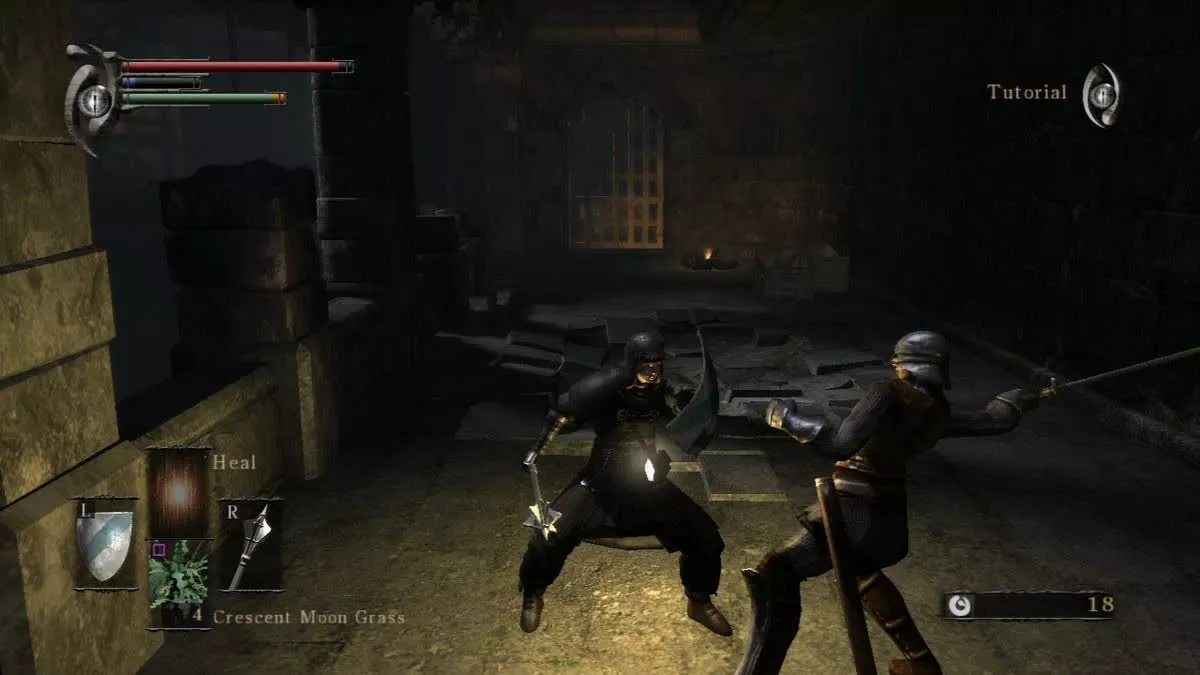
Tekken and Street Fighter can duke it out over who refined the mechanic finest, however parrying did not keep confined to combating video games. In motion RPGs, the collection most individuals will level to is Dark Souls, although this a part of FromSoftware’s historical past goes again one sport additional, to Demon’s Souls (2009). Its high-risk, high-reward parry-and-riposte system helped set up a well-recognized ritual: invite a success, knock it apart, then make the attacker remorse it.
Dark Souls (2011) carried that concept ahead and made it really feel much more deliberate. With appropriate tools in your left hand, you used the parry motion as a parryable assault reached you. Nail it, and the enemy was susceptible to a essential riposte at shut vary. It sounds easy written out like that. It feels relatively much less easy when one thing twice your measurement is making an attempt to rearrange your face.
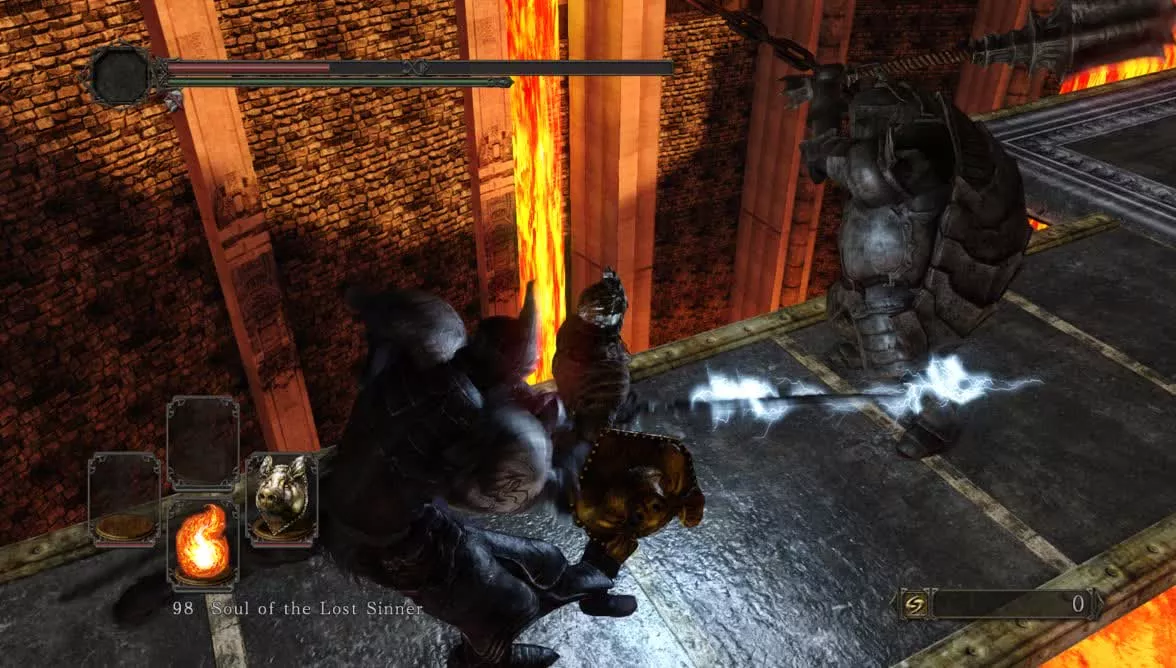
Dark Souls II (2014) modified the timing and dealing with once more. Different instruments have completely different startup, energetic, and restoration durations, so studying one parry does not imply you have realized all of them. Your alternative of apparatus might make that acquainted gamble really feel very completely different.
Next got here Bloodborne in 2015, and FromSoftware modified the flavour utterly. In place of the acquainted shield-first method, you had a firearm in your off hand. A well-timed shot might interrupt a inclined enemy mid-attack and open it up for a close-range visceral assault. You’re nonetheless studying an incoming blow and playing on the timing. You’re simply doing it with a gun.
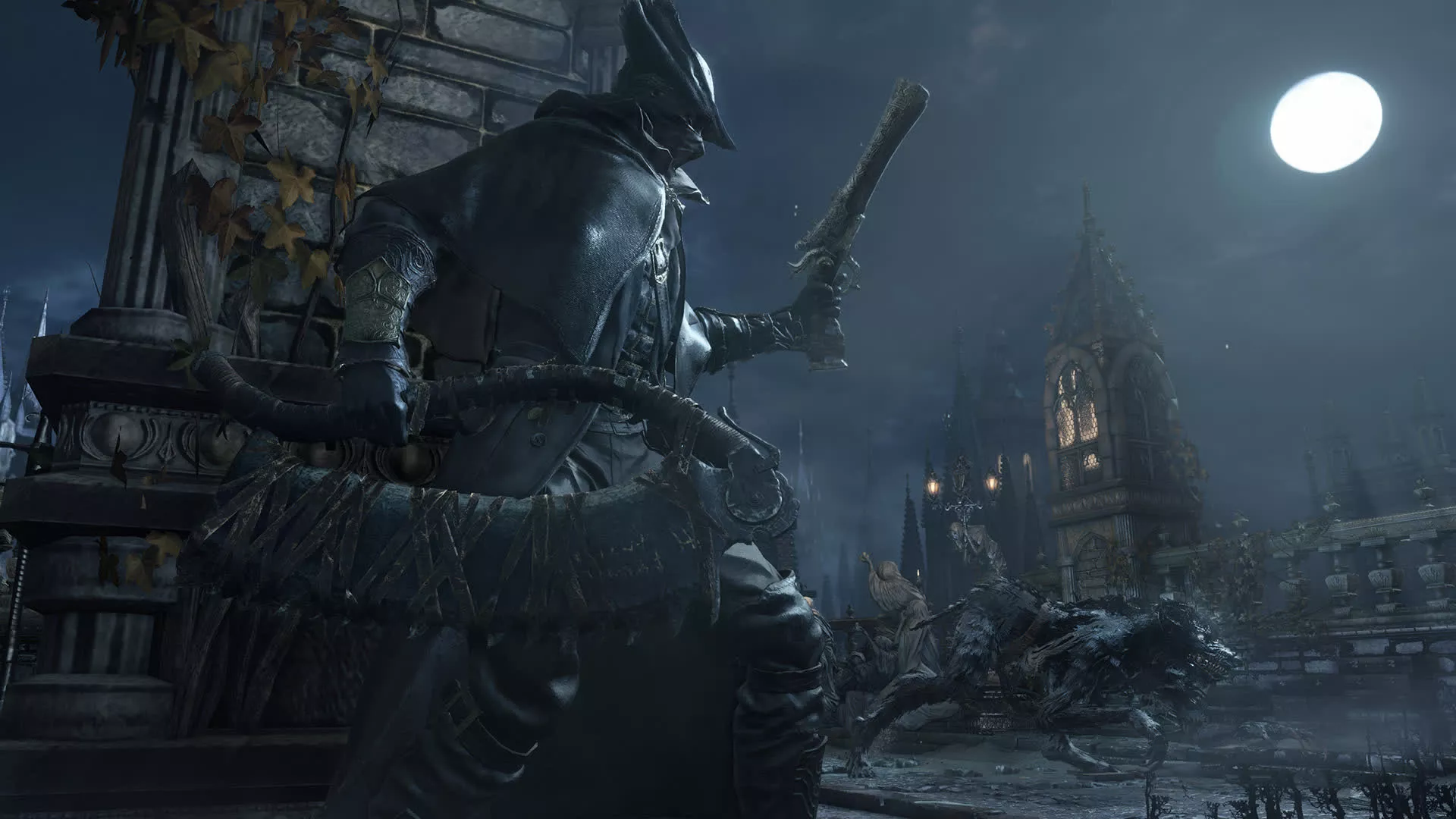
That matches a sport which additionally permits you to regain just lately misplaced well being by instantly placing again. Bloodborne needs you engaged, aggressive, and really conscious of how shut you might be to dying. It would not make each enemy assault parryable, and firing from a protected distance will not magically put you in place for the follow-up.
Dark Souls III adopted in 2016, returning to shields and different parrying instruments inside its faster-paced Souls fight. Small shields, fist weapons, and parrying daggers provided completely different timing and sensible trade-offs.
And Then Sekiro Put Deflection on the Center
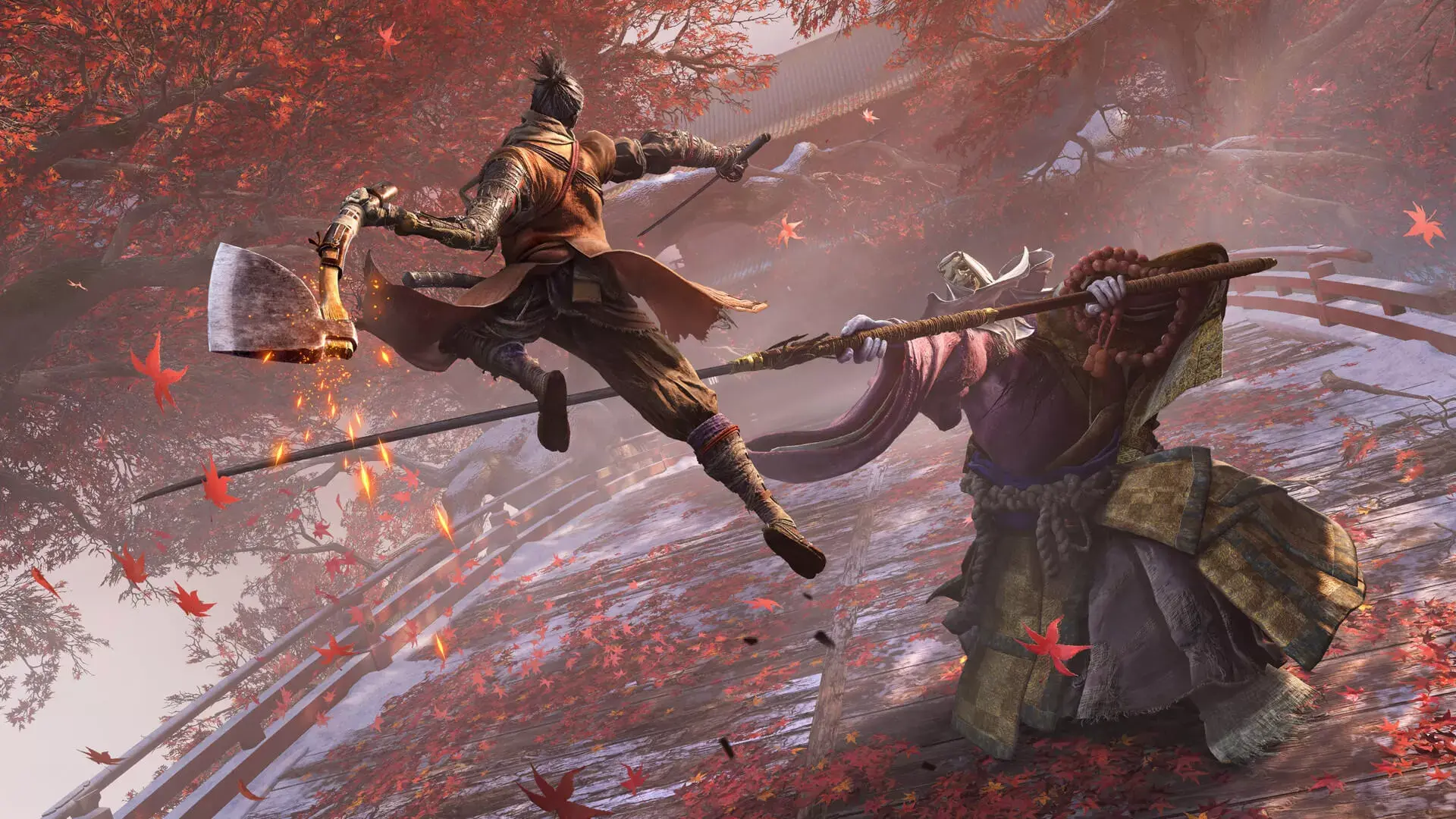
Hidetaka Miyazaki directed Demon’s Souls, Dark Souls, and Bloodborne, so by the point Sekiro: Shadows Die Twice got here out in 2019, it was fairly clear the man beloved high-stakes, high-drama counterplay. In Dark Souls, parrying was already one of many flashiest issues you might be taught. Sekiro made that change the rhythm of the entire battle.
You play as a shinobi making an attempt to rescue your kidnapped lord in a fictional, supernatural model of Sengoku-era Japan. There are nonetheless different instruments: stealth, dodging, fight arts, and a prosthetic arm filled with extraordinarily unfriendly devices. But you possibly can’t construct your method into a totally completely different weapon class or summon one other participant to do the arduous half. Learning to face your floor issues rather more.
The system works by one thing referred to as Posture. Attacks and profitable deflections construct up the enemy’s Posture gauge till their stance breaks, exposing them to a Deathblow. Health nonetheless issues, too: wounded enemies get better their Posture extra slowly, so carrying them down could make the decisive break simpler.
Press guard simply earlier than a blow lands and also you deflect it. Press early and maintain holding, and an unusual block could prevent – at a better Posture price. Press too late and you continue to get hit. Add perilous assaults that demand a unique response, and out of the blue that apparently forgiving security internet feels rather a lot smaller.
What makes it work so effectively is how the animations, enemy assault patterns, and metallic back-and-forth all reinforce the identical rhythm. When it clicks, you cease feeling such as you’re ready for permission to assault. You’re taking part in all the change. When it would not click on… effectively, the title did warn you about dying.
Sekiro gained Game of the Year at The Game Awards in 2019, and years later it is nonetheless a touchstone for deflection-focused fight.
At This Point, You Can Parry Anything
Other motion RPGs have saved working with the concept. Star Wars Jedi: Fallen Order (2019) and Jedi: Survivor (2023) allow you to do it with a lightsaber. Nioh 2 (2020) has weapon-specific counter expertise, alongside its separate Burst Counter system. Elden Ring (2022) presents conventional parrying instruments and expertise akin to Carian Retaliation, with timing that varies by the device you select. Wo Long: Fallen Dynasty (2023) goes additional towards making deflection a relentless a part of fight.
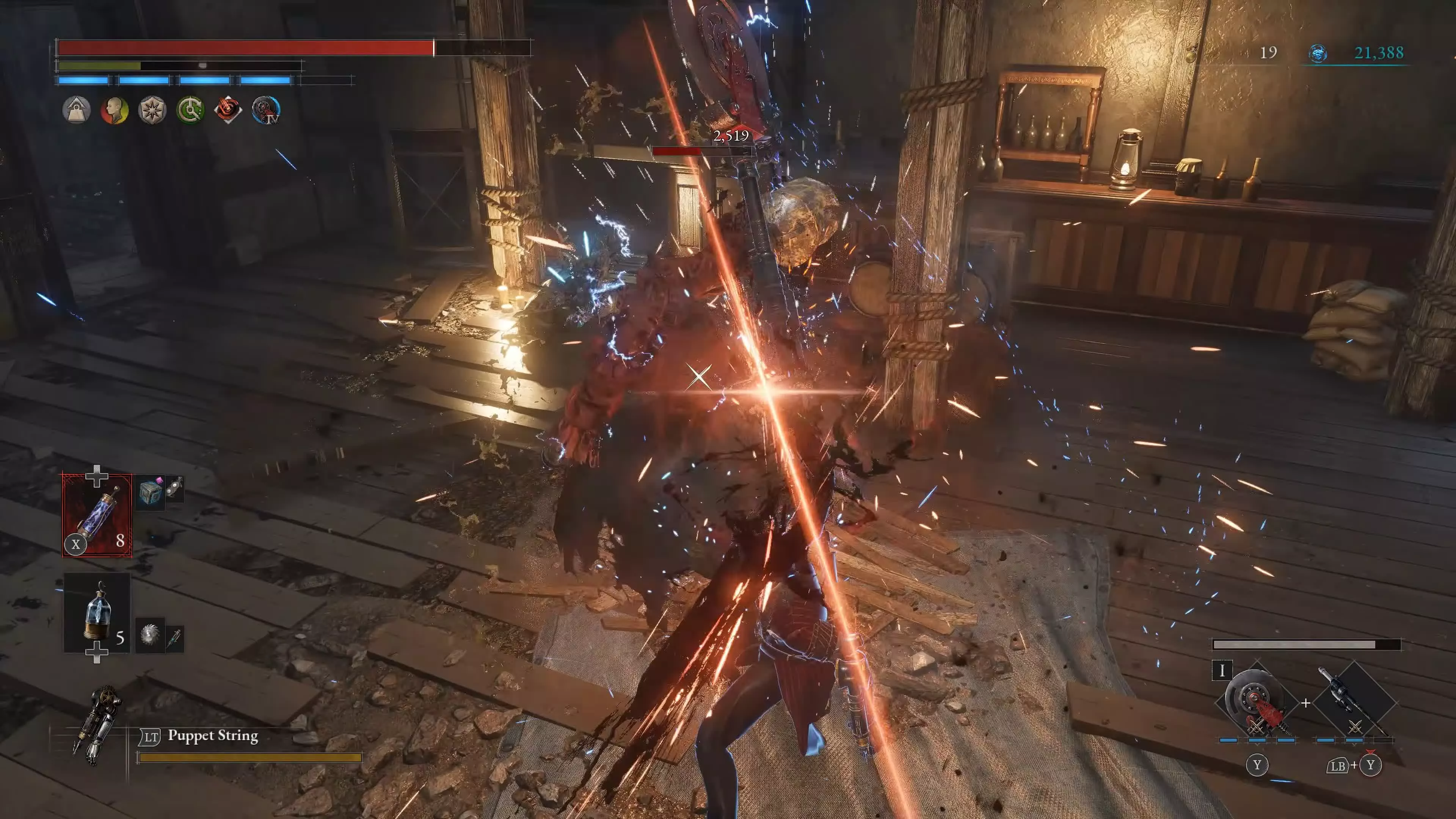
Then there’s Lies of P (2023), which wraps its Perfect Guard system in a moody Belle Époque aesthetic. Nail the timing and also you forestall injury whereas serving to push an enemy towards a stagger alternative. You can nonetheless dodge or use an unusual guard, however there is a purpose individuals maintain bringing Sekiro into the dialog.
Resident Evil 4’s remake (2023) even lets Leon parry enemy assaults along with his knife, together with the spectacularly ridiculous capacity to cease a chainsaw. Apparently, a sufficiently well-timed kitchen utensil can remedy nearly something.
Nine Sols adopted in 2024, bringing deflection-focused fight right into a 2D exploration-and-platforming journey. Its builders explicitly cite Sekiro, however this is not simply the identical Posture bar squeezed sideways. Successful deflections construct Qi, which you’ll spend on talisman assaults. Defense turns into gasoline for offense another way.
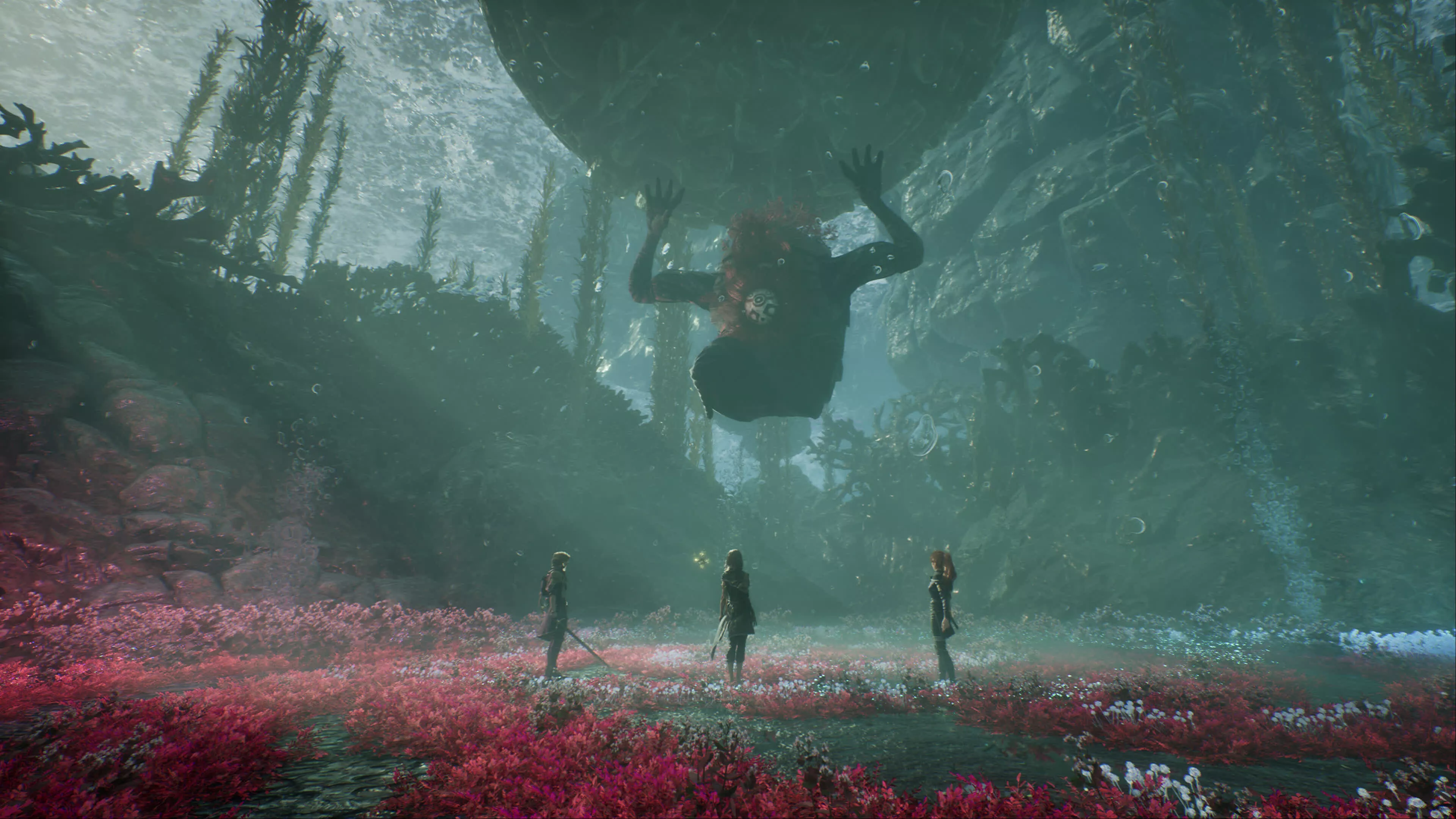
And then there’s Clair Obscur: Expedition 33 (2025), which places demanding dodges and parries inside turn-based battles. Your get together nonetheless takes turns deciding on assaults and skills, however an enemy’s flip does not imply it is time to put the controller down.
That broader idea has loads of historical past. Super Mario RPG (1996) already used timed defensive instructions, and Paper Mario: The Thousand-Year Door (2004) went additional with Superguard. Its tighter timing might negate injury from appropriate assaults and even damage the attacker. A traditional timed guard that reduces injury and a harder defensive command that utterly turns the hit round had been already sharing the identical battle system.
What Clair Obscur does notably effectively is make that alternative dramatic, readable, and central to nearly each encounter. Dodging provides you extra timing leeway. Parrying asks for extra precision, and parrying a whole enemy combo rewards you with a robust counterattack. Long, otherwise paced assault strings make the enemy’s animation one thing it’s a must to be taught, relatively than a flourish you watch between menu alternatives.
I can see why that pulls some action-game gamers right into a style they’d usually skip, and why others would relatively their turn-based RPG requested much less of their reflexes. Either method, the achievement is not inventing timed protection. It’s making a well-recognized concept really feel just like the star of a really completely different form of sport.
And it is not simply the headline-grabbing releases. Blasphemous (2019) folds parrying into its brutal, gothic fight. Thymesia (2022) makes deflection and dodging main defensive decisions. Smaller indie and game-jam initiatives have constructed their complete premise round getting that one satisfying change proper.
With that many video games leaning on it, parrying has naturally spawned its personal nook of the web. Look for high-level gameplay and you will find gamers turning supposedly terrifying bosses into demonstrations of rhythm and timing. Watching somebody like ONGBAL could make you’re feeling that you simply perceive a battle completely. Recreating it your self is, sadly, a separate buy.
So, What’s Next for the Parry?
Some of what was “subsequent” is already right here. Capcom’s Onimusha: Way of the Sword launched on early September, bringing the collection again with sword clashes and timed protection on the heart of its enchantment.
Phantom Blade Zero arrived in late October, bringing quick wuxia-style fight and loads of alternatives to show an assault again on its proprietor. Nexon’s Vindictus: Defying Fate, in the meantime, is focusing on 2027. Its characters have distinct defensive instruments, so it will be deceptive to explain each one in every of them as one other Sekiro protagonist.
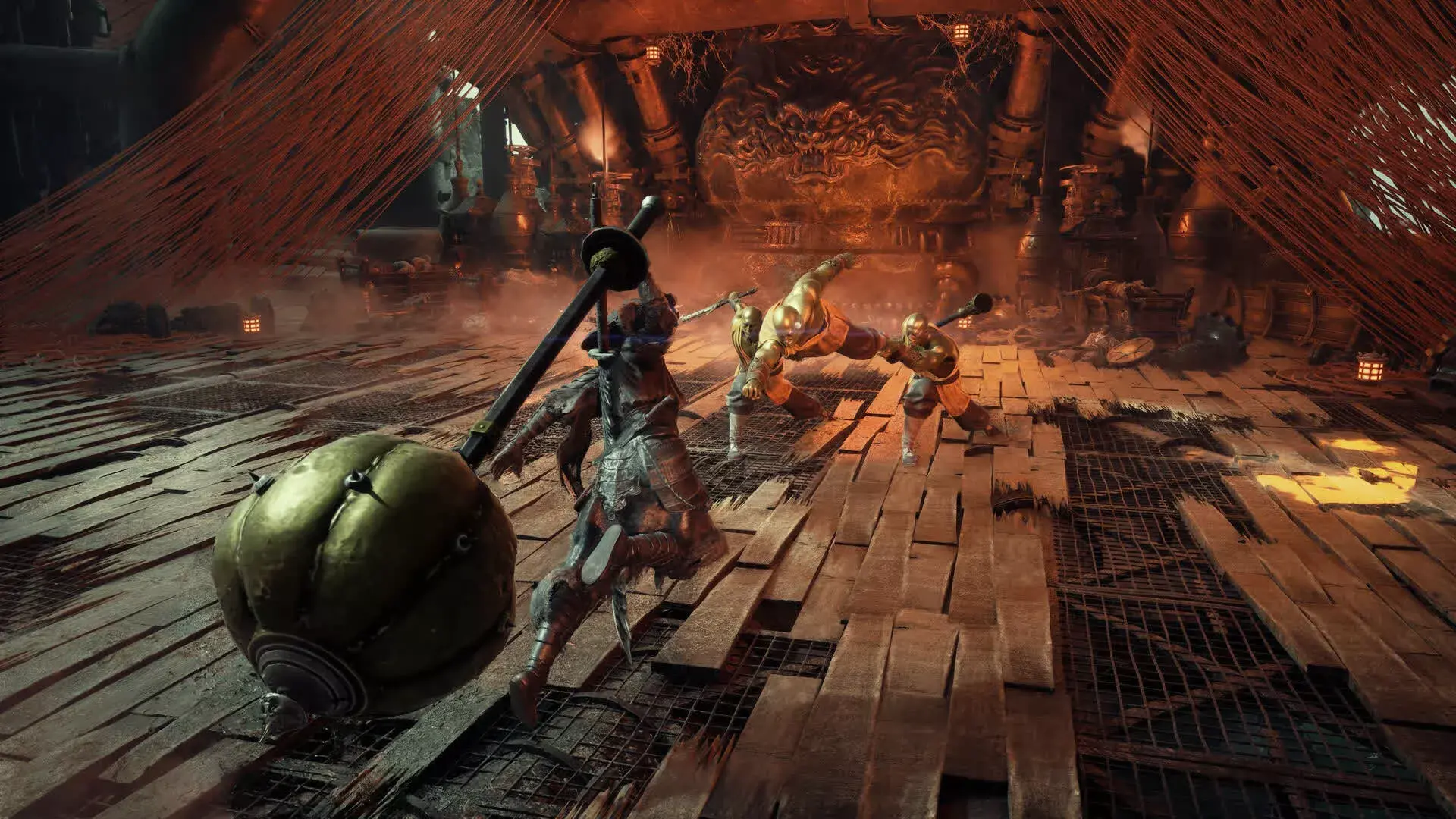
Further out, the Stellar Blade sequel now has a reputation, Stellar Blade: Blood Rain. It’s nonetheless in improvement with out an introduced launch date, and its last fight stability is one thing we’ll have to evaluate after we can play it.
Batara: Fate Unbound likewise has no introduced launch date, however its builders are explicitly pitching parry-focused fight. That’s a reasonably good indication of how a lot weight this one mechanic now carries.
If you zoom out for a second, you notice how wild this all is. “Has parry system” may be greater than a footnote in a evaluate. It’s grow to be its personal advertising pitch, the identical method “open world” or “roguelike” has was shorthand for complete design philosophies. So sure, it is protected to say the parry is not going wherever anytime quickly. And frankly, I do not assume we wish it to.