
Why it issues: AI PCs have principally meant one in every of three chip choices: Intel, AMD, or Qualcomm, every bolting an NPU onto a general-purpose processor. Samsung’s GAIA is completely different, a devoted, memory-centric AI accelerator from an organization that additionally occurs to regulate its personal DRAM manufacturing. If PC makers validate it, Samsung could be again in PC silicon for the primary time since its 2012 Chromebook experiment.
According to a number of Korean shops, together with Chosun, Samsung’s LSI division which works on the Exynos cellular chips, is growing a devoted AI accelerator for PCs codenamed GAIA.
The firm is reportedly already supplying prototypes to HP within the US and Lenovo in China to confirm efficiency, with mass manufacturing probably beginning as early as 2027 and units probably touchdown in late 2027 or early 2028.
GAIA is not meant to run the entire system the way in which a Ryzen, Core, or Snapdragon X chip does. It’s a companion processor constructed on a 4nm-class node, described as a “memory-centric” AI accelerator that locations compute near reminiscence somewhat than routing all the things via a separate processor. Samsung is explicitly positioning it other than GPU-based AI accelerators, the sort used for large-scale AI coaching and inference, in favor of an NPU structure geared toward PC-side generative workloads: on-device language fashions, real-time translation, picture technology, and comparable duties offloaded from the CPU and GPU.
That memory-centric design can be why Samsung is reportedly pushing additional integration with processing-in-memory (PIM), its next-gen DRAM tech that runs computations contained in the reminiscence itself as an alternative of shuttling knowledge backwards and forwards to a processor.

PIM has been a Samsung facet challenge for years with no actual industrial breakthrough. GPUs obtained quick sufficient, and their software program ecosystems matured quick sufficient, that the bottleneck PIM was constructed to resolve stopped mattering as a lot.
A devoted NPU with actual OEM traction, and a software program stack constructed round it from the beginning, is a extra pure match for PIM than a general-purpose GPU ever was. It additionally performs to what Samsung truly controls: it is one of many solely firms that may pair customized AI logic with its personal reminiscence manufacturing.
Samsung final tried to promote PC silicon over a decade in the past, when Exynos chips briefly powered early Samsung Chromebooks beginning in 2012 earlier than the enterprise was shelved two years later. Since then, Samsung’s personal Galaxy Book laptops have run on Intel or Qualcomm, together with Snapdragon X2 Elite within the newest Galaxy Book. GAIA would put Samsung’s personal emblem again on the silicon inside its personal laptops, and probably others.
There’s an added pressure right here: Nvidia and Qualcomm each lean on Samsung’s foundry for elements of their chip manufacturing. Samsung competing with its personal prospects within the AI PC house, whereas nonetheless fabricating for no less than a few of them, is the form of battle that tends to complicate provider relationships.
It’s additionally a business-unit story. Samsung’s LSI has run structural losses for years, and a reputable win (on AI no much less), on high of Exynos and automotive silicon, provides Samsung one other lever to tug.
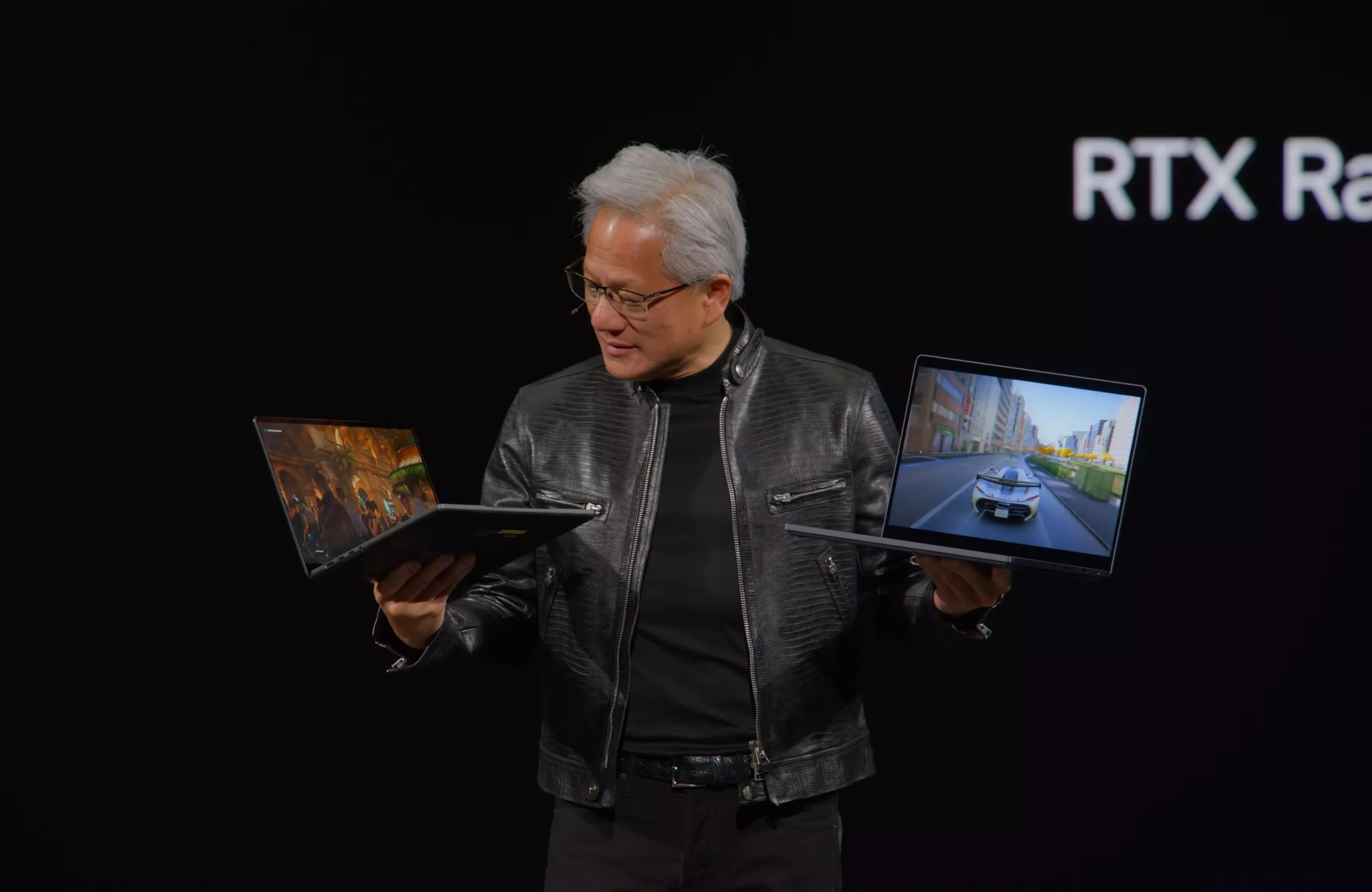
At this time there’s zero efficiency numbers, no energy figures, and no particulars on GAIA’s structure or the way it may evaluate to AMD’s XDNA NPUs, Intel’s on-die accelerators, Qualcomm’s Hexagon NPU in Snapdragon X2, or Nvidia’s RTX Spark platform. In different phrases, we will not think about if GAIA is genuinely aggressive or simply sufficient to get Samsung a seat on the desk. Samsung has but to substantiate any of this publicly.
The business has been making an attempt to persuade PC patrons that NPUs matter for 2 years now, and the sincere reply is that most individuals nonetheless cannot title a activity their present NPU handles that they’d in any other case miss. A second or third NPU vendor does not repair that both.
What GAIA could possibly be betting on is that native GenAI workloads might be heavy and common sufficient to wish devoted native silicon, not only a checkbox spec. Whether that is a 2027 actuality or one other untimely guess stays to be seen.


